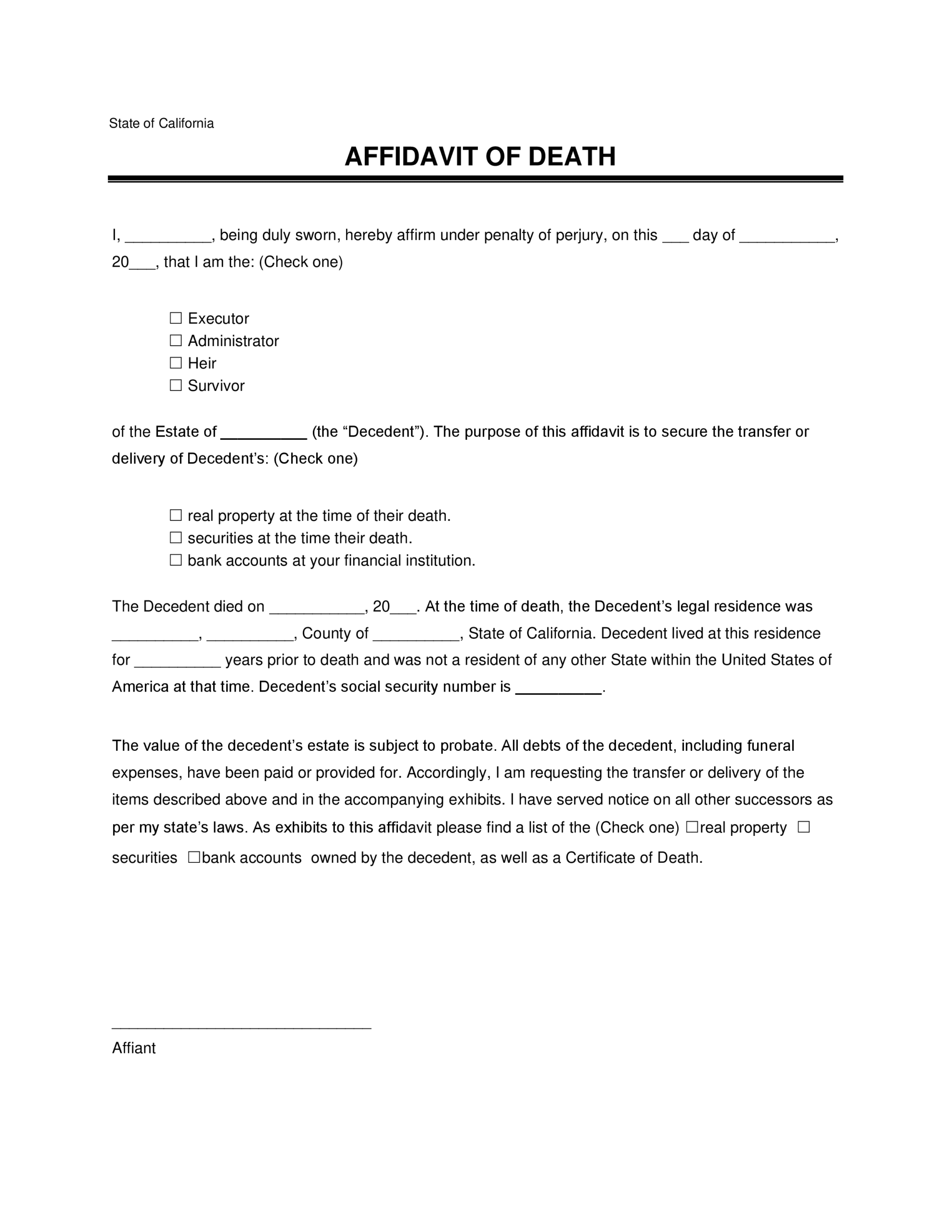
Understanding lawful jargon can often feel like discovering a brand-new language. Although lots of legal terms may appear difficult to comprehend, they play a necessary function in our lives, whether we recognize it or otherwise. One such term is ‘testimony.’ This short article intends to demystify testimonies, discovering their significance and functional applications in various contexts. Whether you’re a law trainee, a lawyer, or a curious member of the general public, this guide will certainly aid you understand what affidavits are, how they’re made use of, and why they matter.
What Exactly Is an Affidavit?
At its core, a testimony is a created declaration that someone testifies be true. This declaration is made under vow and is typically utilized as proof in court. The individual making the declaration, called the affiant, must have firsthand knowledge of the occasions detailed in the affidavit. This paper functions as a critical item of evidence in legal proceedings, giving judges and juries with precise accounts of truths.Join Us affidavit for death certificate website
Sworn statements are usually checked in the presence of a notary public or one more legal authority who can carry out oaths. This ensures that the statement is offered willingly and honestly. It is very important to note that giving false info in a testimony can result in serious legal effects, such as perjury charges. Thus, testimonies play a crucial duty in keeping honesty within the justice system.
Lawyers count heavily on testimonies to construct instances and present proof in court. By offering a promised declaration of facts, testimonies assist to develop reputation and substantiate claims. Whether in civil or criminal cases, affidavits function as a foundation for legal arguments, guiding the direction of tests and influencing verdicts.
The Historic Roots of Affidavits
The principle of testimonies dates back centuries, with roots in ancient legal practices. Historical records recommend that vouched statements were used as early as Roman times to settle disputes and provide justice. These early sworn statements gave a trusted methods of recording agreements and making sure liability amongst events.
Over time, the use of sworn statements progressed, ending up being an integral part of the English legal system. With the rise of common law, sworn statements got prominence as a method for verifying realities and gathering evidence. This custom was rollovered to the USA and various other countries, where affidavits continue to be a staple of modern legal method.
Recognizing the historical context of sworn statements sheds light on their enduring significance. While the legal landscape has transformed over the centuries, the fundamental principles of truthfulness and accountability embodied in testimonies remain to underpin the justice system today.
Types of Sworn Statements You Might Experience
In the lawful world, there are a number of types of affidavits, each serving an one-of-a-kind objective. One usual kind is an affidavit of identification, which assists to validate an individual’s identity in lawful matters. This can be especially helpful in cases of identification theft or disputes over personal details.
One more type is a testimony of house, frequently made use of to verify residency for ballot, schooling, or tax functions. This document gives evidence of where an individual lives, assisting to develop qualification for different advantages and duties. Additionally, affidavits of abode are utilized in estate preparation to recognize the legal residence of a departed person.
Affidavits of assistance are likewise considerable, especially in migration situations. These records show that a person has enough economic means to sustain another person, commonly a family member, seeking residency in a brand-new country. Each type of affidavit fulfills a details function, highlighting the convenience and need of these legal tools.
Developing a Testimony of Your Own
Crafting a sworn statement might appear challenging, however the process is fairly uncomplicated. The primary step is to clearly specify your individual information, including your name, address, and line of work. This establishes your identity as the affiant and provides context for your statement.
Next, define the events or facts you desire to proclaim. Be as particular and thorough as possible, ensuring that you depend entirely on firsthand knowledge. Stay clear of including viewpoints or hearsay, as affidavits are implied to existing objective accounts of occasions. Conclude the affidavit with a declaration affirming the truthfulness of your declaration.
As soon as your testimony is full, you’ll need to sign it in the existence of a notary public or another accredited authorities. This action is essential, as it verifies your statement and validates that you recognize the lawful ramifications of your statement. With these action in mind, producing an affidavit becomes a workable job.
The Role of Testimonies in Court Process
In lawful process, affidavits work as a powerful device for presenting proof and establishing facts. They are frequently utilized in both civil and criminal cases, providing a dependable means of validating insurance claims and constructing arguments. By providing a vowed declaration of facts, testimonies aid to make clear complicated concerns and guide the direction of court cases.
Sworn statements can be specifically valuable in pretrial proceedings, such as motions and hearings. For instance, in an activity for summary judgment, a testimony may be used to show that there are no real disputes over material realities. This can help quicken the legal process and stay clear of unneeded trials.
In household legislation situations, sworn statements can be critical in dealing with issues related to protection, assistance, and home department. By giving a clear and concise account of appropriate occasions, sworn statements assist judges make educated choices that shield the best passions of all events involved.
Usual Mistaken Beliefs Concerning Sworn Statements
Despite their importance, testimonies are often misinterpreted. One common mistaken belief is that they are the same as testimonies of reality. While both records involve vouched declarations, testimonies of fact are much more limited in extent and commonly utilized in certain lawful contexts.
One more false impression is that testimonies can be used to present hearsay evidence. In reality, testimonies need to be based upon firsthand expertise, and hearsay is generally inadmissible in court. Understanding these distinctions is vital for anybody involved in lawful procedures.
Finally, some individuals believe that affidavits are only relevant in court cases. While they are without a doubt a crucial element of litigation, testimonies additionally play a role in numerous administrative procedures, such as obtaining licenses, licenses, or benefits.
How Sworn statements Vary from Other Legal Documents
In the realm of legal documents, testimonies are one-of-a-kind due to their sworn nature. Unlike contracts, which involve shared contracts between events, sworn statements are unilateral declarations made under vow. This distinction sets them apart from various other lawful papers and underscores their importance in verifying truths.
Another difference lies in the function of sworn statements contrasted to other papers, such as depositions. While both testimonies and depositions entail vouched declarations, depositions are oral testaments provided during the exploration stage of a trial. Testimonies, on the other hand, are created declarations that can be sent as proof without requiring online statement.
Comprehending these distinctions helps to value the one-of-a-kind duty affidavits play in the lawful system. By working as a bridge in between written and dental evidence, affidavits provide a functional and trusted means of offering details in different contexts.
The Significance of Notarization
Registration is a vital facet of sworn statements, including an extra layer of credibility and dependability to the record. When an affidavit is notarized, a notary public confirms the identity of the affiant and witnesses the signing of the sworn statement. This procedure guarantees that the declaration is provided voluntarily and honestly.
The visibility of a notary public likewise aids to avoid scams and coercion. By confirming the identity of the affiant and providing a vow, the notary public plays an important function in upholding the stability of the affidavit. This step is critical for preserving the credibility of affidavits in legal procedures.
Registration is not just essential for affidavits used in court however also for those required in administrative matters. By adding a level of procedure and trustworthiness, notarization assists to ensure that sworn statements are respected and accepted in numerous contexts.
Practical Instances of Testimony Usage
Sworn statements are made use of in a wide range of situations, both within and outside the court room. In family members regulation situations, affidavits can provide important info about a youngster’s living conditions or adult behavior. These declarations help courts make informed decisions that prioritize the well-being of kids.
In service setups, sworn statements may be utilized to confirm financial declarations or validate the credibility of papers. This can be particularly important in disputes entailing contracts or economic purchases. By offering a promised account of events, sworn statements help to establish depend on and openness in between events.
Outside of lawful process, affidavits can also contribute in matters such as realty purchases. A sworn statement of title, as an example, may be made use of to affirm possession of a residential property and divulge any kind of encumbrances. This paper assists to assist in smooth and secure residential or commercial property transfers by providing clear and trusted info.
Why Affidavits Matter in Everyday Life
While sworn statements are often related to legal process, they also have sensible applications in daily life. By supplying a formal and trustworthy ways of recording events and agreements, testimonies use peace of mind and protection for people in different circumstances.
Whether you’re browsing a lawful conflict, verifying your identity, or verifying economic details, testimonies provide a reliable way to existing and maintain the truth. By understanding their objective and value, you can harness the power of affidavits to secure your rights and passions.
In a world where count on and stability are critical, testimonies stand as a testimony to the relevance of truthfulness and responsibility. By supplying a clear and reputable account of occasions, they play a crucial role in supporting justice and fairness in culture.
Moving On with Confidence
Comprehending sworn statements is essential for any person associated with legal issues or seeking to secure their legal rights and passions. By comprehending the basic principles behind these files, you can with confidence navigate the legal landscape and make educated decisions.
Whether you’re a legislation student preparing for a job in the legal area, a lawyer seeking to enhance your understanding, or a participant of the public curious regarding legal processes, this overview supplies important understandings into the world of testimonies. Armed with this knowledge, you can approach legal issues with quality and self-confidence, guaranteeing that you are fully equipped to advocate on your own and others.
For those thinking about further discovering the nuances of affidavits, think about connecting to legal professionals or getting in touch with added resources. By growing your understanding of this important legal tool, you can better appreciate its role in shaping justice and fairness in our culture.